Thank you for writing to us. One of our executive will reach back to you through your submitted medium. In case there’s an urgency, feel free to connect over WhatsApp for faster response.
Prefer calling? Dial +9108048054623 (International callers) or 08048054623 (Indian callers).
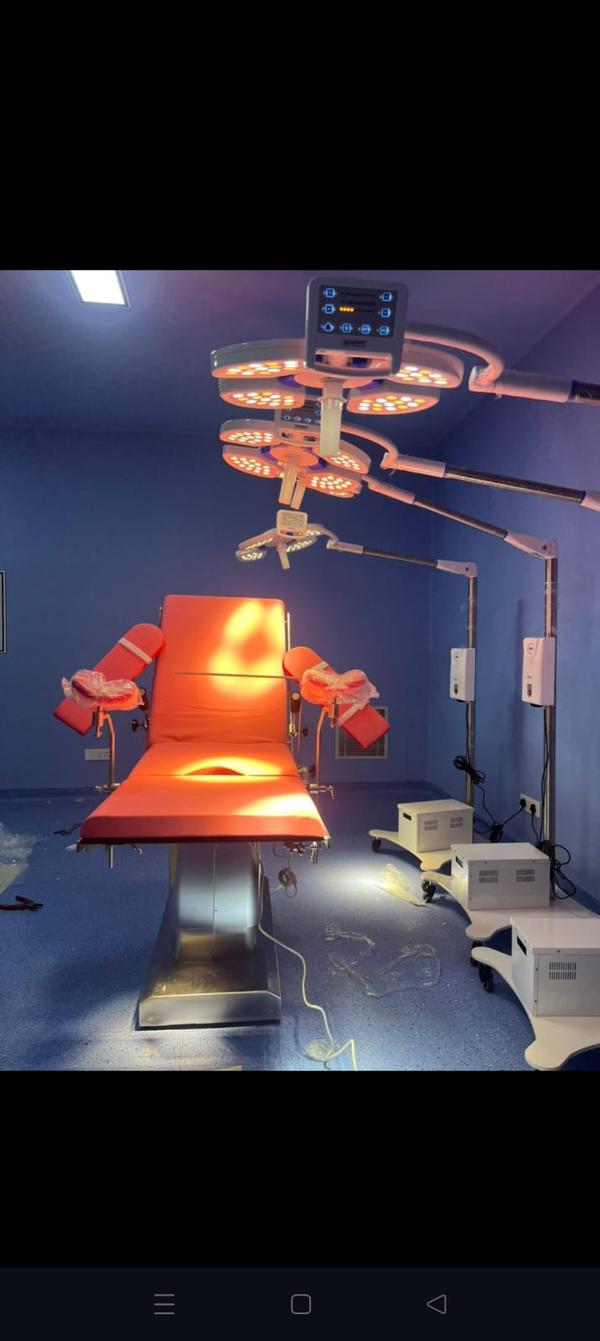
Key performance specifications
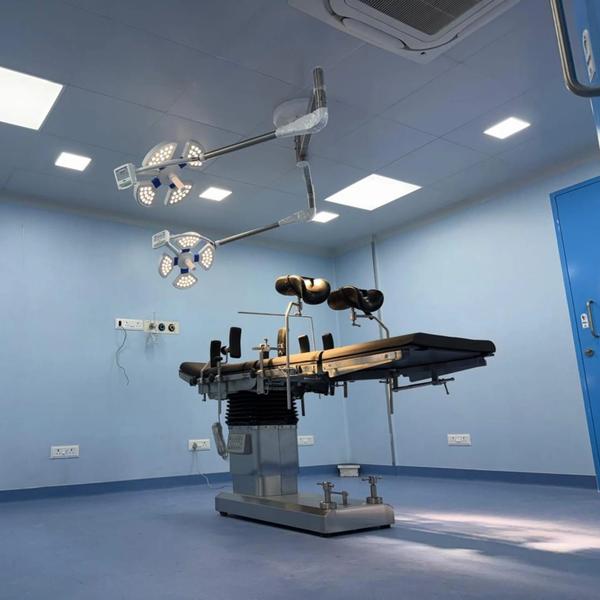
Illumination Intensity:
Ranging from 140,000 to over 250,000 Lux at a 1-meter distance, often adjustable from 10% to 100%.
Color Temperature:
Typically between 3800 K and 5000 K, with some models offering adjustable options or multiple color LEDs for better tissue differentiation.
Color Rendering Index (CRI):
A high CRI of 93 Ra or higher is common to ensure accurate color rendition.
LED Lifespan:
Extended lifespan of over 50,000 hours.
Physical and technical specifications
Light Field Diameter: Adjustable size, often between 18 cm and 30 cm.
Depth of Illumination: Ranging from 10-25 cm, depending on the model.
Number of LEDs: Varies by model, but can range from around 48 to over 100 LEDs per dome.
Power Supply: Standard is 220V/50Hz AC.
Focusing: Can be manual or have a sterile, central focusing handle.
Body: Often made of aluminum casting for better heat dissipation.
Controls: Integrated capacitive touch panels and/or remote controls are common.
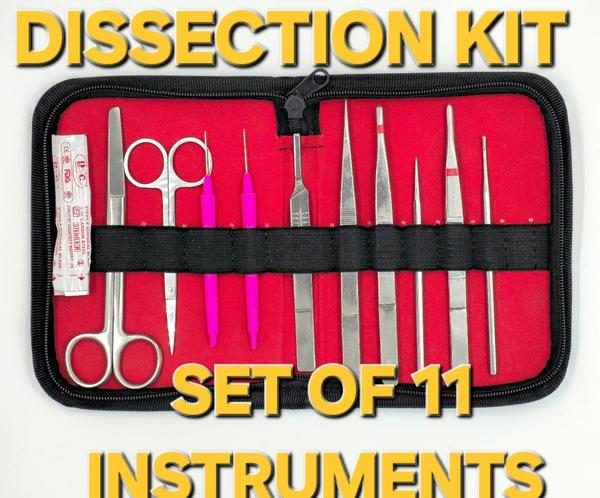
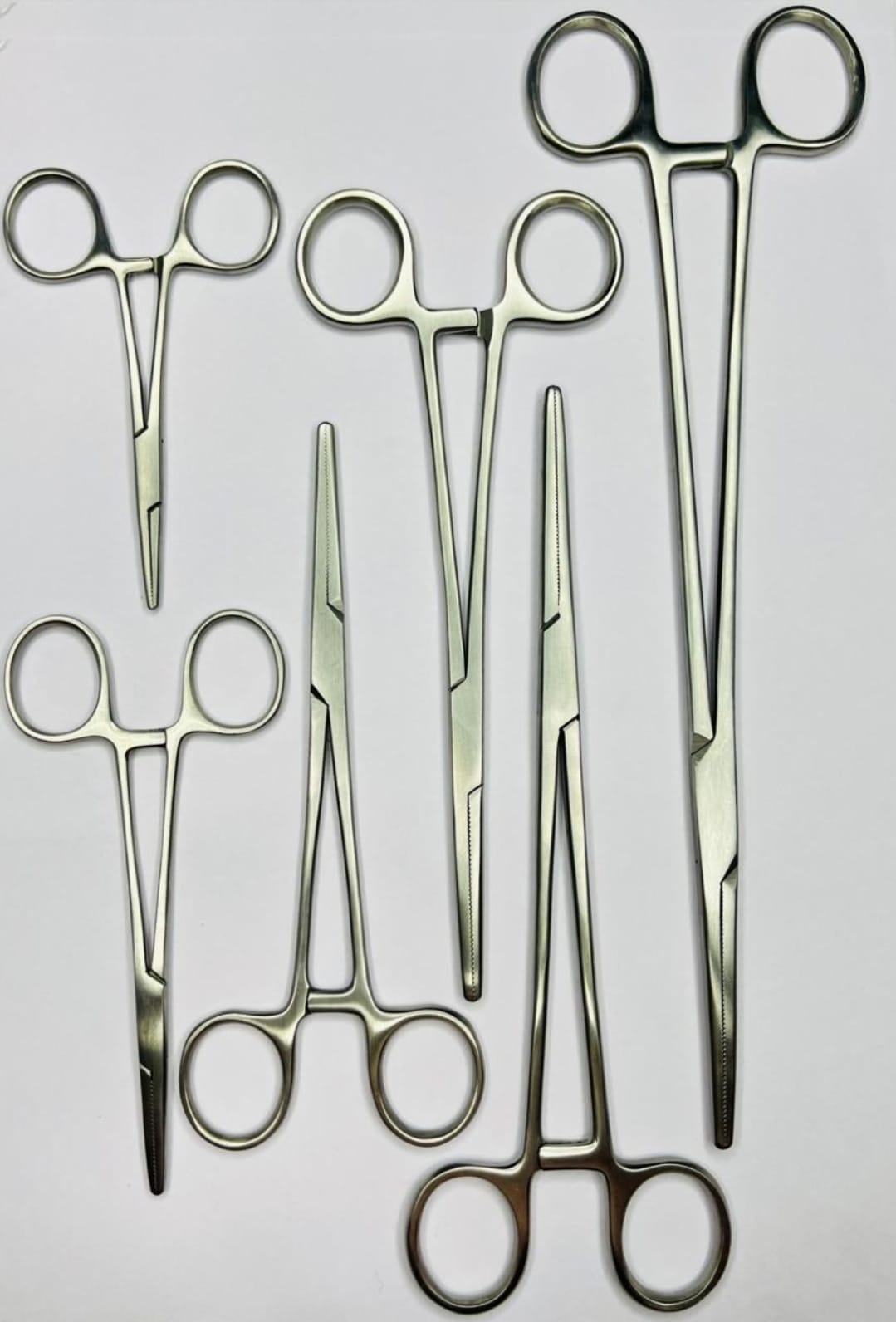
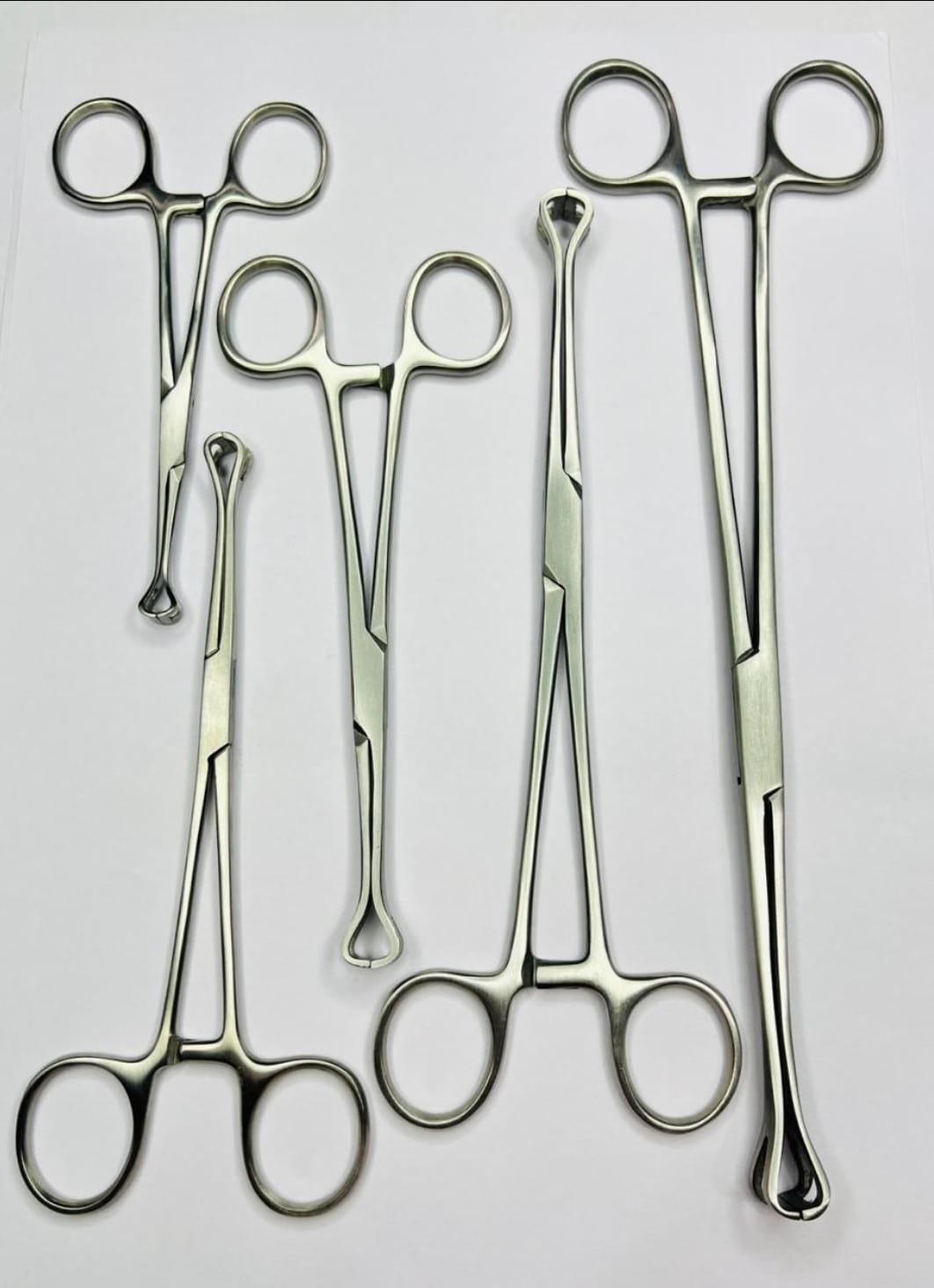
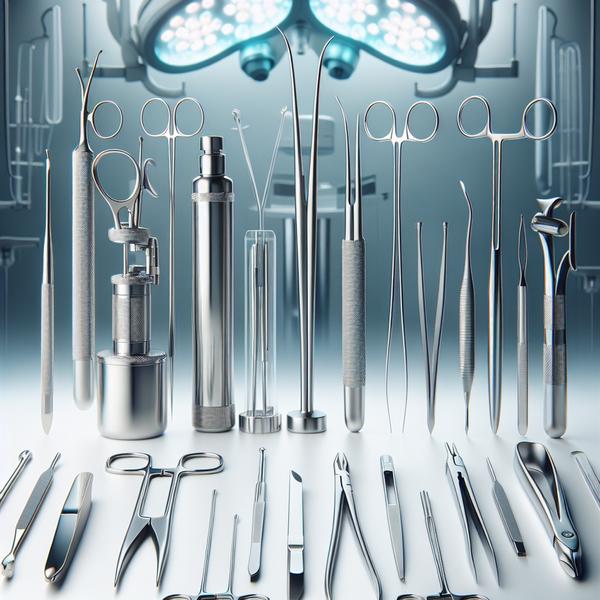
A standard dissection kit for Class 11 students usually includes the following tools, which are generally made of durable, corrosion-resistant stainless steel:
Scalpel (handle and blades): For making precise incisions.
Dissecting Scissors: Both sharp-tipped and blunt/sharp combinations for cutting through various tissues.
Forceps: Including blunt, pointed, and toothed variations for grasping and manipulating tissues.
Dissecting Needles: Both straight and curved/flapper needles, used for teasing apart delicate tissues and pinning specimens.
Blunt Probe/Groove Director: A blunt-ended tool used to move organs and tissues aside without puncturing or cutting them.
Measuring Tools: Often includes a ruler and sometimes a watch glass, cover glass, and slide glass for observation.
Accessories: May include a glass dropper, a blow pipe, and a storage case to keep instruments organized and safe.
Semi-Fowler cot Material: Mild steel or stainless steel frame, often with an epoxy powder-coated finish for durability.Overall Dimensions: Approximate overall dimensions are around \(2050\) mm L x \(900\) mm W x \(600\) mm H, but this can vary between manufacturers.Backrest Elevation: The backrest can be manually adjusted to an angle of \(0-75^{\circ }\).Mechanism: Typically a manual crank mechanism is used to adjust the backrest. Some models may offer electric adjustments.Head and Foot Boards: Often detachable, made of materials like ABS or laminated panels.Wheels: Most models include castor wheels for mobility and often have a locking system. Mattress Material: Typically made of foam.Thickness: Approximately \(3\) inches (\(~7.6\) cm) or \(4\) inches (\(~10\) cm) thick.Construction: Often designed with two sections to work with the cot's multiple angles and a zip on one end for easy access to the foam.Cover: Covered in a durable material like rexine or other waterproof/washable fabric, often in a blue color. Any Another Colour Available